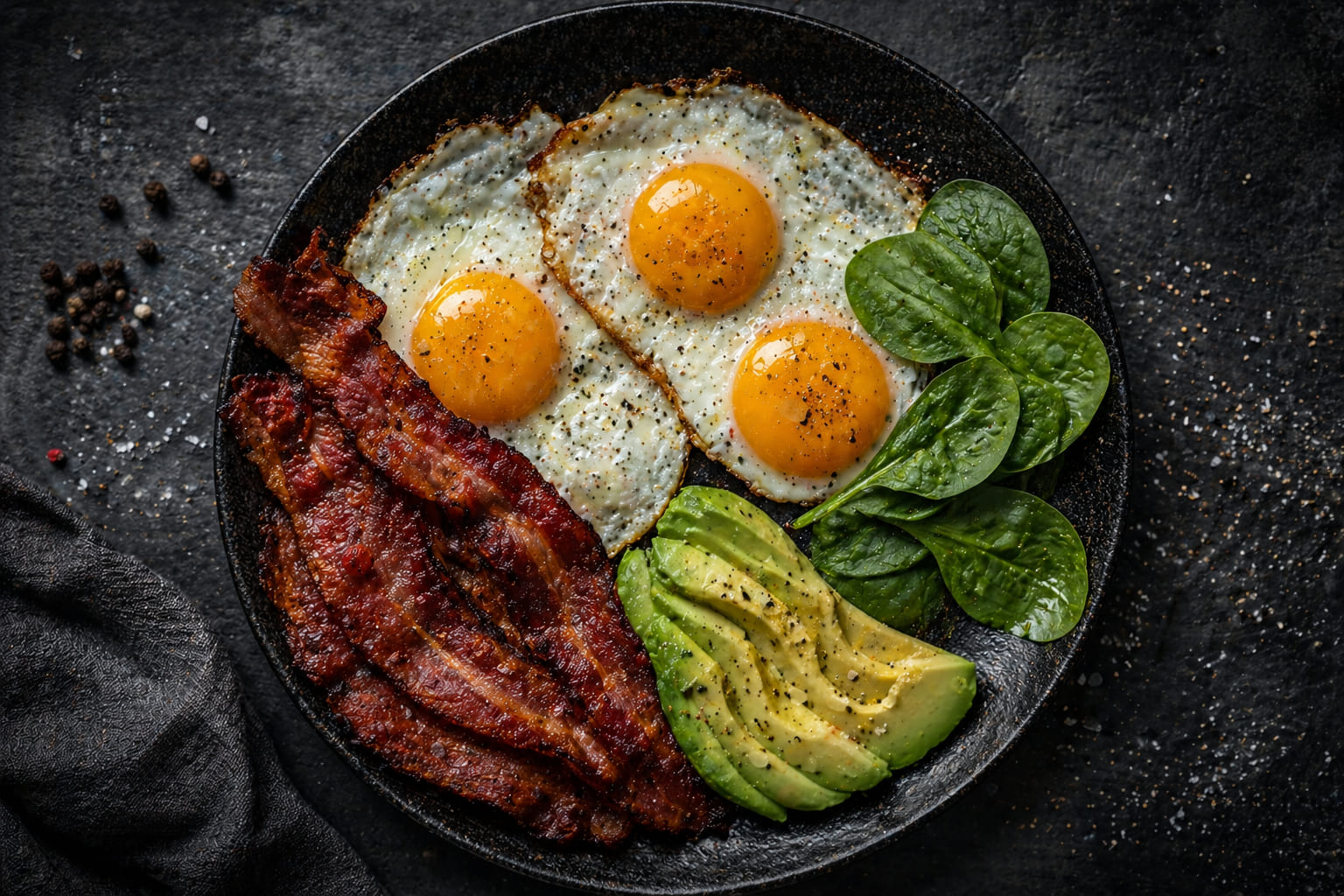
The ketogenic diet is one of the most researched, most effective, and — let's be honest — most misunderstood diets in existence. If you're a beginner, you've probably heard that you eat a lot of fat, cut carbs, and somehow lose weight. That's technically true, but there's a lot more to it. This guide will walk you through everything you need to know before eating your first keto meal.
What is the Ketogenic Diet, Really?
The keto diet is a very low-carbohydrate, high-fat diet that shifts your body's primary fuel source from glucose (sugar) to ketones (produced from fat). When you restrict carbohydrates to under 20–50 grams per day, your liver begins converting fat into ketone bodies. This metabolic state is called ketosis, and it's the foundation of all the benefits you've heard about.
My Personal Experience Starting Keto
I started keto on a random Monday in January, convinced it would be another failed diet attempt. I had tried calorie counting, intermittent fasting, and every variation of "clean eating." On Day 3 of keto, something strange happened: the afternoon energy crash I'd had every single day for years just... didn't come. By the end of week one, I was down 6 lbs and, more importantly, I wasn't hungry between meals. That was the moment I understood this was fundamentally different.
The Standard Keto Macro Breakdown
- 70–75% of calories from fat — avocado, olive oil, butter, cheese, fatty cuts of meat
- 20–25% from protein — chicken, beef, eggs, fish
- 5% from carbohydrates — mostly from leafy greens and non-starchy vegetables
That 5% carb limit is the critical one. It typically translates to roughly 20g of net carbs per day for most people to reliably enter ketosis.
What You Can Eat on Keto
YES foods: Beef, chicken, pork, salmon, eggs, bacon, butter, cream, olive oil, avocado, spinach, broccoli, cauliflower, cheese, nuts (macadamia, walnuts, almonds), heavy whipping cream.
NO foods: Bread, pasta, rice, oats, sugar, fruit juice, soft drinks, potatoes, beans, lentils, most fruit (except berries in small amounts), corn, and anything labelled "low-fat" (these are loaded with sugar).
What to Expect in Week 1
Days 1–2 will feel normal. Days 3–5 are where many people experience "keto flu" — fatigue, headaches, and brain fog. This is not a sign the diet is failing. It's your body adapting. The fix is simple: drink more water, add salt generously to every meal, and optionally supplement magnesium. By Day 6–7, most people feel dramatically better than before they started.
The Single Most Important Tip for Beginners
Don't try to track everything manually in week one. The mental load of calculating macros for every single meal while simultaneously adjusting to a new way of eating is overwhelming and unnecessary. Use a pre-built personalized meal plan for the first month so you can focus on adjusting to the diet rather than doing math at every meal.
Get Your Personalized Keto Meal Plan
Answer a 90-second quiz about your body and goals. We calculate your exact macros and generate a complete 4-week meal plan — including shopping lists and recipes — instantly.
Start Free Keto Quiz →