One of the most common frustrations with the ketogenic diet is not knowing if you're actually in ketosis. The standard advice — cut carbs and wait — can take 3–7 days. But there are specific, science-backed strategies that can get you into a fat-burning metabolic state significantly faster. Here are seven that genuinely work.
1. Cut Carbs Below 20g Net — Not 50g
Many keto guides say to stay under 50g of carbs. That's a maintenance range for people already in ketosis. If you're starting, you need to deplete your glycogen stores aggressively. Keep net carbs under 20g per day for the first 5–7 days. This accelerates liver glycogen depletion and forces ketone production faster.
2. Do a Fasted Workout on Day 1
Exercise, especially moderate-intensity cardio performed in a fasted state, burns through your remaining muscle glycogen at an accelerated rate. A 30-45 minute brisk walk or light bike ride before your first keto meal on Day 1 can shave a day or two off your transition time. You don't need to go hard — you just need to move.
3. Eat Plenty of Fat — Don't Fear It
This sounds counterintuitive, but many beginners under-eat fat while slashing carbs. This leaves your body without adequate fuel and causes the miserable "keto flu" symptoms. Eating enough fat signals to your metabolism that a new fuel source is available. Aim for 70–75% of your calories from fat from Day 1. Add butter to vegetables, drizzle olive oil over your protein, eat avocado with eggs.
4. Try Intermittent Fasting on Day 1–2
Fasting accelerates ketosis because it forces your body to seek an alternative fuel source. A simple 16:8 protocol (eating within an 8-hour window) during your first two days is remarkably effective at jumpstarting ketone production. You are essentially combining two powerful metabolic strategies simultaneously.
5. Salt Aggressively (Seriously)
This isn't just about electrolytes. Sodium plays a direct role in retaining water in muscle tissue, which is where glycogen is stored. Interestingly, adequate sodium also helps the kidneys excrete excess fluid as glycogen depletes — which is why early keto water-weight loss is so dramatic. Add a pinch of Himalayan or sea salt to every meal and drink.
6. Consider MCT Oil
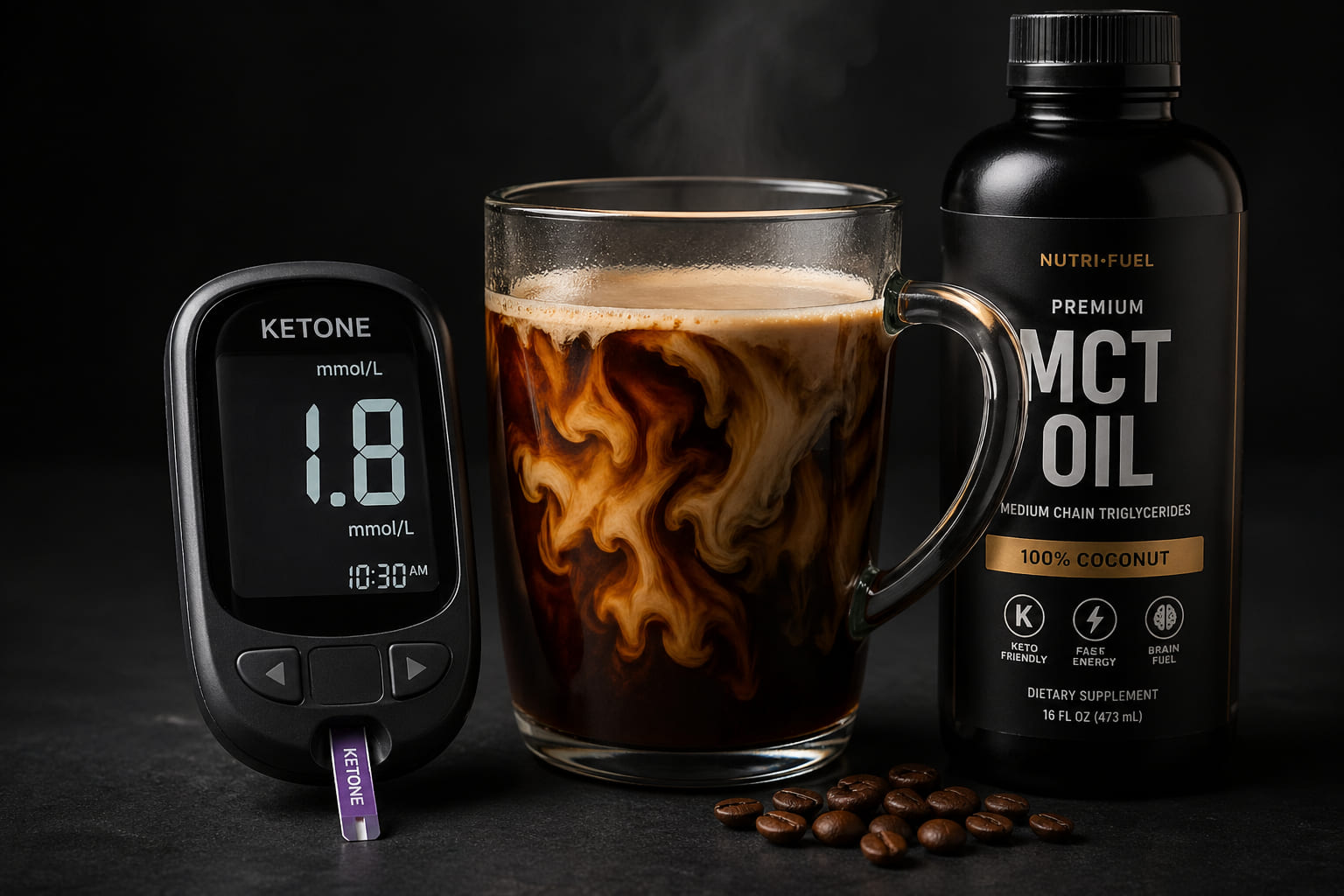
Medium-chain triglycerides (MCTs) are a special type of fat that bypasses normal fat digestion and goes directly to the liver to be converted into ketones. Starting with 1 tablespoon of MCT oil in your morning coffee or a smoothie can raise blood ketone levels within hours of consumption, even before dietary ketosis is fully established.
7. Test Your Ketones — So You Know for Sure
Blood ketone meters give you the most accurate reading (strips for the Keto-Mojo meter work well). Urine ketone strips are cheap and useful in the first week. Breath meters are less accurate but non-invasive. Target blood ketone levels of 0.5–3.0 mmol/L for nutritional ketosis. This removes all the guesswork.
Get a Personalized Keto Plan Built for Your Body
Your exact fat, protein, and carb targets — calculated from your height, weight, age, and goal. A complete 4-week meal plan with shopping lists generated in 90 seconds.
Calculate My Keto Macros →