
Carnivore Diet Results: What Actually Happens in 30, 60, and 90 Days
If you search online for carnivore diet results, you will likely find two extremes: miraculous stories of people curing decades of chronic illness overnight, or warnings that eating only meat will destroy your health. Having lived this lifestyle and analyzed the data of thousands of individuals transitioning to a zero-carb diet, I can tell you that the truth is somewhere in the middle—and it follows a very predictable timeline.

This is not a hype piece. If you are looking for realistic carnivore diet before and after expectations, you need to understand that the first week is going to be difficult. But if you can push through to day 90, the physiological transformations—ranging from body composition to profound mental clarity—are often life-changing. Let's break down exactly what happens to your body at the 30, 60, and 90-day marks.
Why Most "Results" Articles Are Misleading
Most articles highlighting carnivore diet weight loss results focus only on the final destination. They show the incredible transformations but skip over the messy middle. This creates false expectations. When new dieters feel exhausted on Day 4, they assume the diet isn't working for them and quit. The reality is that shifting your metabolism from burning glucose (sugar) to burning fat and ketones is a monumental physiological stressor. Understanding this timeline is the difference between giving up and succeeding.
Days 1-7: The Adaptation Phase (It Gets Worse Before It Gets Better)
The first week on the carnivore diet is rarely pleasant. This is the acute withdrawal phase.
What You'll Feel
You will likely experience the "keto flu." Symptoms include headaches, lethargy, irritability, and intense cravings for sugar and carbohydrates. Furthermore, because your gut microbiome is rapidly shifting (the bacteria that feed on plant fiber are dying off), digestive upset, including diarrhea, is incredibly common in the first 3 to 7 days.
What's Actually Happening Physiologically
As you eliminate carbohydrates, your insulin levels drop significantly. This signals your kidneys to excrete sodium and water. You will likely lose 4 to 8 pounds in the first week, but be aware: this is almost entirely water weight and glycogen depletion, not body fat. As the water flushes out, it takes essential electrolytes (sodium, potassium, magnesium) with it, causing the headaches and fatigue.
How to Get Through It
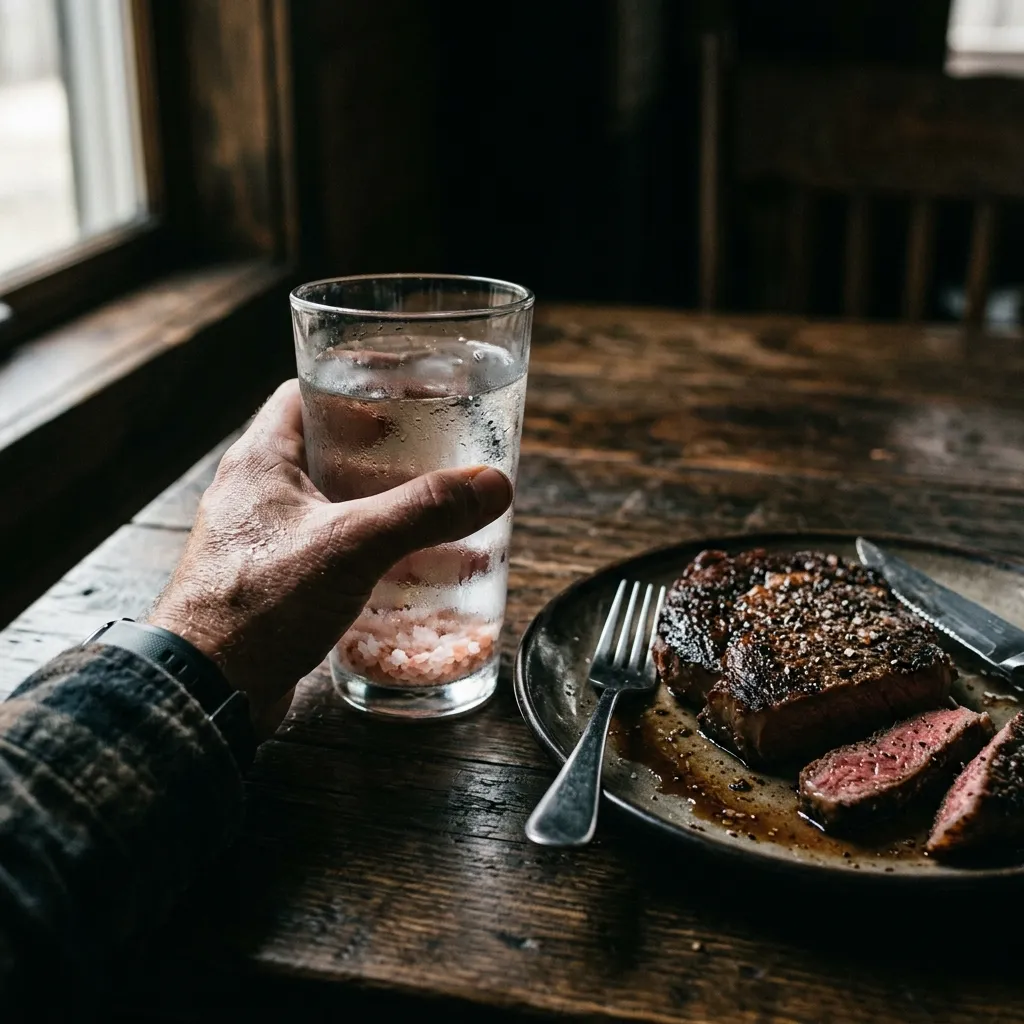
Do not restrict calories during this week. Eat as much fatty meat as you want. More importantly, heavily salt your food and drink water with electrolytes. If you are struggling to figure out how much to eat during this brutal transition, generate a custom carnivore plan here to ensure your fat-to-protein ratios are optimized to reduce withdrawal symptoms.
Days 8-30: First Real Results Appear
By the second week, the fog begins to lift. Your body is now efficiently producing ketones, and the cravings for sugar will noticeably subside.
Weight Loss in the First Month
Once the initial water weight is gone, true fat loss begins. By the end of carnivore diet 30 days results, most men lose between 8 to 15 pounds total, while women typically lose 5 to 10 pounds. This variance is largely due to hormonal differences and starting weight.
Energy and Mental Clarity
Around Day 14, many people report a sudden surge in steady energy. Because you are no longer riding the glucose roller coaster of spikes and crashes, your energy remains constant from morning until night. Brain fog dissipates, and mental focus sharpens significantly.
What the Scale Doesn't Show
During the first 30 days, your digestion will regulate. The bloating associated with fermenting plant fibers disappears. Many people notice that their clothes fit much looser around the waist, even if the scale hasn't moved as much as they'd like in weeks 3 and 4.
Days 31-60: The Turning Point
Months two and three are where the deep healing occurs. You are now fully fat-adapted.
Body Composition Changes
Because the carnivore diet is incredibly protein-dense, it is highly muscle-sparing. Unlike traditional calorie-restricted diets where you lose both fat and muscle, the carnivore diet promotes pure fat loss while maintaining (or even building) lean mass. You may notice your weight loss slowing down on the scale, but your physical appearance becoming leaner and more defined.
Inflammation and Joint Pain
This is the phase where people with autoimmune issues or chronic joint pain report the most miraculous carnivore diet transformation. By eliminating plant toxins (oxalates, lectins, phytates) and inflammatory seed oils, systemic inflammation plummets. Aching knees and stiff lower backs often resolve completely by Day 60.
Sleep Quality
With stable blood sugar overnight, sleep architecture improves. You may find that you need slightly less sleep (7 hours instead of 8) but wake up feeling significantly more rested and ready to move.

Days 61-90: Full Adaptation
By the time you reach carnivore diet 90 days, you are running a different metabolic engine. Fat adaptation is complete.
Typical Weight Loss by Day 90
For individuals starting with significant weight to lose, a 25 to 40-pound fat loss over 90 days is common. Those starting closer to their ideal weight will see less dramatic scale changes but profound shifts in body composition and vascularity.
Metabolic Changes
Your lipid panels will likely shift. HDL (good cholesterol) usually rises, and triglycerides almost always plummet—a highly favorable cardiovascular indicator. (Note: LDL often rises on a carnivore diet, which is a complex topic beyond the scope of this article, but is generally viewed by low-carb researchers as benign in the context of low triglycerides and high HDL).
What Most People Report
At Day 90, the diet no longer feels restrictive. It feels intuitive. Hunger signals are clear and easily satisfied with meat. The psychological grip that processed food and sugar had over your life is broken.
Carnivore Results by Goal
To set realistic expectations, here is a breakdown of typical timelines based on specific health goals.
| Primary Goal | Typical Timeline for Results | Key Metric / Observation |
|---|---|---|
| Fat Loss | Days 7 - 90+ | Initial 5-8 lbs water weight, followed by 1-2 lbs of fat per week. |
| Mental Clarity | Days 14 - 21 | Elimination of brain fog, stable afternoon energy, improved focus. |
| Digestive Issues (IBS/Bloating) | Days 3 - 10 | Flattened stomach, elimination of gas, predictable bowel movements. |
| Joint Pain & Inflammation | Days 30 - 60 | Reduction in morning stiffness, ability to exercise without acute pain. |
| Athletic Performance | Days 60 - 90 | Initial dip in explosive power, fully recovering and often improving by month 3. |
Why Some People Don't Get Results (The Honest Truth)
The carnivore diet is not magic, and it does not work for everyone perfectly on the first try. Here is why some people fail to see results:
- Eating Too Lean: If you only eat chicken breasts and lean steaks, you will suffer from low energy and hormone disruption. You must eat fat.
- Dairy Intolerance: Many people stall their weight loss by consuming too much cheese and heavy cream. If results slow down, cut the dairy and stick to beef, water, and salt.
- Not Salting Enough: Chronic fatigue on carnivore is almost always an electrolyte issue.
- Quitting Too Early: If you quit on Day 10 because you feel tired, you never allowed your body to reach fat adaptation.
FAQ
1. How much weight can you lose on carnivore diet in a month?
Most individuals lose between 8 to 15 pounds in the first month. However, it is crucial to understand that the first 4 to 8 pounds are usually water weight resulting from glycogen depletion and reduced inflammation. True fat loss typically averages 1 to 2 pounds per week after the initial adaptation phase.
2. How long does carnivore adaptation take?
The acute physical withdrawal (keto flu, cravings, digestive shifts) usually lasts 3 to 7 days. However, full metabolic adaptation—where your body efficiently utilizes fat for fuel during exercise and daily activities—takes between 4 to 6 weeks. Athletic performance may take up to 90 days to fully recover.
3. Why am I not losing weight on carnivore?
The two most common culprits are dairy and under-eating. Heavy consumption of cheese and cream can stall weight loss due to their high caloric density and potential inflammatory responses in some individuals. Paradoxically, eating too little meat can lower your metabolic rate. If stalled, eliminate dairy and focus purely on fatty cuts of ruminant meat.
4. Do carnivore diet results last?
Yes, but only if you maintain a low-carbohydrate, whole-foods lifestyle. If you complete 90 days of carnivore and then return to a diet high in processed foods, sugar, and seed oils, the inflammation, water weight, and fat will return rapidly. Carnivore is best viewed as an elimination diet and a long-term metabolic reset, not a quick fix.