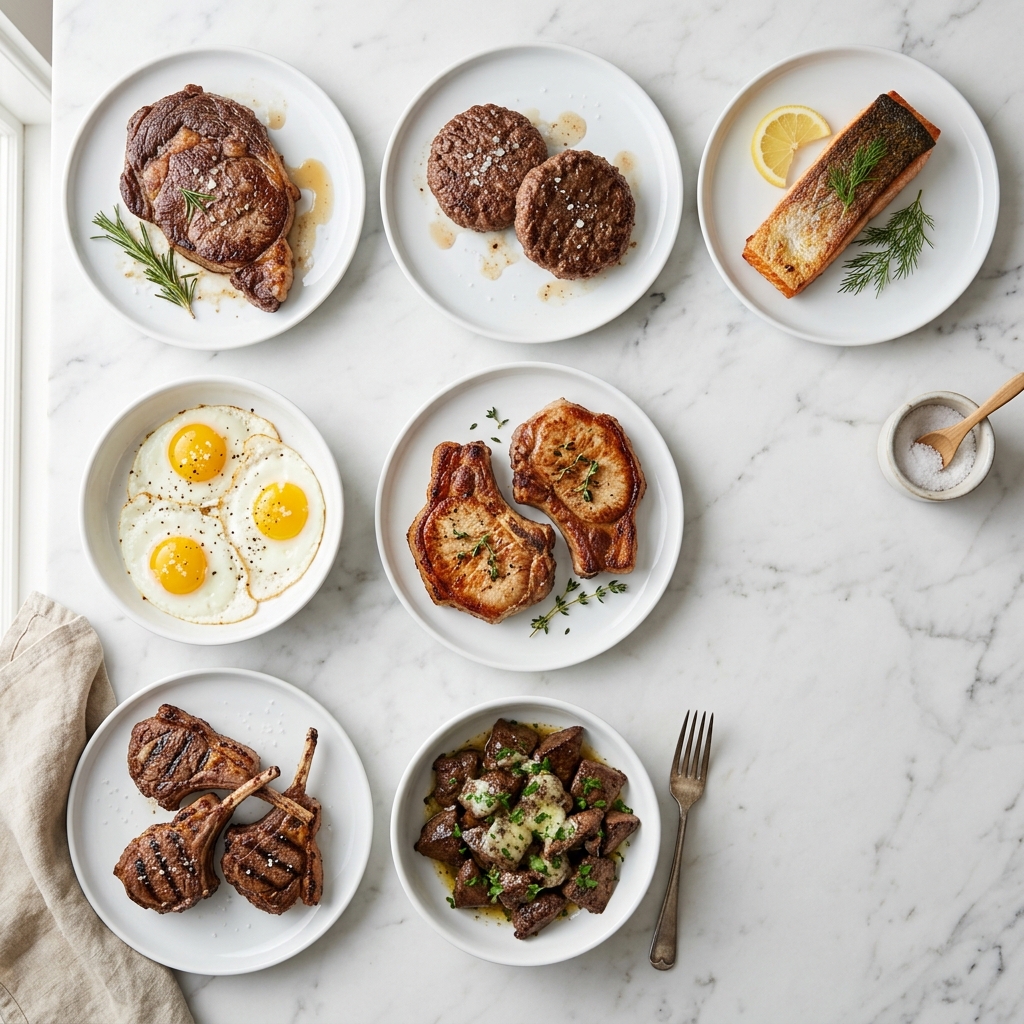
Carnivore Diet Meal Plan: Complete 7-Day Menu for Beginners
Starting the carnivore diet can be incredibly empowering, but without a structured approach, it is easy to under-eat or miss out on the right balance of fats and proteins. If you are searching for a comprehensive carnivore diet meal plan, you have arrived at the right place. This guide provides a complete, easy-to-follow weekly schedule designed specifically to help you transition smoothly, conquer cravings, and experience the mental clarity and digestive rest that an animal-based lifestyle offers.

This carnivore diet 7 day meal plan removes the guesswork. You will not have to wonder about portions, fat-to-protein ratios, or grocery lists. Every single day is mapped out with specific quantities, nutrient breakdowns, and practical tips to ensure your success. Whether you are seeking a carnivore meal plan for beginners or just want fresh ideas for your carnivore diet menu, this article will serve as your ultimate reference.
Before You Start: How This Meal Plan Works
The core philosophy of the carnivore diet is simple: you consume animal products and eliminate all plant foods. This means zero fruits, vegetables, grains, nuts, seeds, or legumes. However, simply eating meat without a strategy can lead to fatigue, especially if your fat intake is too low. This carnivore diet weekly plan is specifically engineered to keep your energy stable by focusing on high-quality, fatty cuts of meat, eggs, and healthy animal fats like butter and tallow.
Understanding Macros and Calories
On a traditional carnivore diet, we do not strictly count calories. Instead, we eat until comfortably full and stop. However, for the sake of structure and predictability, this plan is formulated to average around 2,000 to 2,300 calories per day. The macronutrient ratio heavily favors fat, aiming for roughly 70-75% of calories from fat and 25-30% from protein, with near-zero carbohydrates. This high-fat ratio is crucial because, in the absence of carbohydrates, your body must rely on dietary fat for fuel.
A Note on Customization
Every metabolism is different. A 200-pound active male will require significantly more calories than a 140-pound sedentary female. Treat the specific quantities in this what to eat on carnivore diet guide as a baseline template. If you find yourself hungry after finishing a meal, simply increase the portion size of the meat or add an extra tablespoon of butter. If you struggle to finish the portions listed, scale them down proportionally. Listen to your body’s satiety signals.
The 7-Day Carnivore Meal Plan
The following seven days offer a diverse and nutrient-dense approach to zero-carb eating. We have ensured that each day provides a unique combination of proteins and fats to prevent palate fatigue while maximizing nutrient absorption. Remember to salt your food generously, especially during the first few days, to replenish electrolytes flushed out during the initial transition.
Day 1 — The Beef and Butter Foundation
Your first day on the carnivore diet focuses on the absolute essentials: high-quality ruminant meat and pure dairy fat. Beef is the cornerstone of animal-based nutrition due to its unparalleled amino acid profile and rich concentration of bioavailable vitamins like B12, iron, and zinc. By starting your day with eggs and bacon, you set a strong, satiating foundation that keeps cravings at bay. Lunch features a generous portion of ground beef, which is highly digestible and budget-friendly. Dinner introduces the classic ribeye steak, known for its optimal fat-to-protein ratio.
| Meal | Food & Quantity | Approx. Protein | Approx. Fat | Calories |
|---|---|---|---|---|
| Breakfast | 4 large eggs cooked in 1 tbsp (15g) butter, 4 slices (100g) thick-cut pork bacon | 38g | 52g | 630 kcal |
| Lunch | 300g (10.5 oz) 80/20 ground beef patties, cooked in their own fat | 51g | 60g | 760 kcal |
| Dinner | 350g (12 oz) Ribeye steak, pan-seared in 1 tbsp (15g) beef tallow | 70g | 77g | 990 kcal |
Approximate Daily Macros: 159g Protein | 189g Fat | 2,380 Calories
Practical Note: Drink plenty of water and salt your meals heavily to combat the "keto flu" as your body flushes water weight. Pink Himalayan or high-quality sea salt is highly recommended.
Want a Plan Tailored to Your Body?
This template is great, but your optimal macros depend on your exact weight, height, and goals. Let our AI calculate your precise portion sizes instantly.
Generate My Custom Carnivore PlanDay 2 — Introducing Pork and Richer Cuts
On Day 2, we diversify the amino acid profile by introducing pork chops. Pork is an excellent source of thiamine (Vitamin B1) and provides a different texture and flavor profile compared to beef. For lunch, leftover ground beef (or freshly cooked, if preferred) is elevated with a topping of sharp cheddar cheese, adding a different form of dairy fat and calcium. The dinner consists of bone-in pork chops cooked slowly in butter to ensure they remain juicy and tender.
| Meal | Food & Quantity | Approx. Protein | Approx. Fat | Calories |
|---|---|---|---|---|
| Breakfast | 3 scrambled eggs with 30g sharp cheddar cheese, cooked in 1 tbsp (15g) butter | 25g | 33g | 405 kcal |
| Lunch | 300g (10.5 oz) 80/20 ground beef, mixed with 1 tsp salt and 20g butter | 51g | 76g | 900 kcal |
| Dinner | 350g (12 oz) bone-in pork chops, pan-fried in 1 tbsp (15g) ghee | 74g | 45g | 720 kcal |
Approximate Daily Macros: 150g Protein | 154g Fat | 2,025 Calories
Practical Note: If you tolerate dairy well, hard cheeses like cheddar or gouda are great additions. If you notice any bloating or skin issues, cut the cheese and replace those calories with extra butter or tallow.
Day 3 — Seafood and Healthy Omega-3s
Day 3 shifts focus slightly to include marine nutrients. Wild-caught salmon is a powerhouse of Omega-3 fatty acids (EPA and DHA), which are critical for brain health and reducing systemic inflammation. We pair the salmon with a rich butter sauce to ensure the fat ratio remains high, as fish tends to be leaner than ruminant meat. Breakfast is a simple, fast, and highly satiating combination of soft-boiled eggs and prosciutto.
| Meal | Food & Quantity | Approx. Protein | Approx. Fat | Calories |
|---|---|---|---|---|
| Breakfast | 4 soft-boiled eggs, 80g prosciutto (Italian cured ham) | 46g | 35g | 510 kcal |
| Lunch | 300g (10.5 oz) beef roast (chuck or similar fatty cut), slow-cooked | 75g | 60g | 850 kcal |
| Dinner | 250g (9 oz) pan-seared salmon fillet topped with 2 tbsp (30g) melted butter | 50g | 55g | 710 kcal |
Approximate Daily Macros: 171g Protein | 150g Fat | 2,070 Calories
Practical Note: Save the drippings from your beef roast. You can pour the liquid fat over your meat or save it in a glass jar in the fridge to cook your eggs in the following morning.
Day 4 — Organ Meats and Satiety
Organ meats are nature's multivitamins. Beef liver is the most nutrient-dense food on the planet, packed with Vitamin A, B12, copper, and folate. We incorporate a small, manageable amount of liver on Day 4. If you dislike the taste of liver, pan-searing it quickly in a generous amount of butter makes it much more palatable. We balance this highly nutritious dinner with a heavy, satisfying breakfast of steak and eggs to keep your energy high throughout the workday.
| Meal | Food & Quantity | Approx. Protein | Approx. Fat | Calories |
|---|---|---|---|---|
| Breakfast | 200g (7 oz) New York Strip steak, 2 fried eggs cooked in 1 tbsp (15g) tallow | 56g | 42g | 610 kcal |
| Lunch | 300g (10.5 oz) 80/20 ground beef meatballs (no binders), 20g parmesan cheese | 59g | 65g | 840 kcal |
| Dinner | 100g (3.5 oz) beef liver and 200g (7 oz) ground beef cooked in 2 tbsp (30g) butter | 53g | 55g | 720 kcal |
Approximate Daily Macros: 168g Protein | 162g Fat | 2,170 Calories
Practical Note: Do not overcook liver. Sear it for just 60 to 90 seconds per side on high heat. If cooked too long, it becomes tough and develops a strong, chalky metallic flavor.
Day 5 — Poultry and Pure Fat
While chicken is generally discouraged as a staple on the carnivore diet due to its low fat content and unfavorable Omega-6 profile, incorporating chicken thighs (with the skin on) occasionally provides variety. To ensure you meet your fat requirements, we pair the chicken thighs with a substantial amount of butter. Breakfast consists of a hearty bacon and egg scramble, cooked in the rendered bacon fat for maximum flavor and zero waste.
| Meal | Food & Quantity | Approx. Protein | Approx. Fat | Calories |
|---|---|---|---|---|
| Breakfast | 5 slices (125g) bacon, 3 eggs scrambled in the rendered bacon fat | 35g | 58g | 680 kcal |
| Lunch | 350g (12 oz) skin-on, bone-in chicken thighs roasted in the oven | 56g | 53g | 710 kcal |
| Dinner | 300g (10.5 oz) 80/20 ground beef patties topped with 2 fried eggs | 63g | 70g | 900 kcal |
Approximate Daily Macros: 154g Protein | 181g Fat | 2,290 Calories
Practical Note: Always choose skin-on chicken and avoid chicken breasts completely. Poultry fat is crucial for energy on this diet, and lean meats will leave you feeling sluggish and unsatisfied.
Day 6 — Lamb and Decadence
Lamb is a fantastic ruminant meat that rivals beef in nutrition and often surpasses it in fat quality. Lamb chops are heavily marbled and naturally pasture-raised, making them an incredible addition to your carnivore diet menu. We pair these with a simple lunch of leftover roast or ground beef. For breakfast, we utilize heavy cream to create soft, rich scrambled eggs that taste incredibly decadent without any carbohydrates.
| Meal | Food & Quantity | Approx. Protein | Approx. Fat | Calories |
|---|---|---|---|---|
| Breakfast | 4 eggs scrambled with 2 tbsp (30ml) heavy whipping cream and 1 tbsp (15g) butter | 25g | 40g | 470 kcal |
| Lunch | 300g (10.5 oz) leftover beef roast or chuck steak chunks | 75g | 60g | 850 kcal |
| Dinner | 350g (12 oz) lamb chops, pan-seared in their own fat with coarse salt | 80g | 85g | 1,100 kcal |
Approximate Daily Macros: 180g Protein | 185g Fat | 2,420 Calories
Practical Note: Stand the lamb chops up on their fat caps in the pan before cooking the sides. Rendering the fat cap first makes the lamb crispy and provides the cooking fat for the rest of the meal.
Day 7 — The Carnivore Feast
You have made it to the end of the week! Day 7 is a celebration of the foods that make the carnivore diet so satisfying. We bring back the king of steaks—the ribeye—for dinner. Lunch is a quick and highly portable option consisting of cooked shrimp and eggs, perfect if you are on the go. This day proves that a zero-carb diet is anything but restrictive; it is a diet composed of the most delicious, nutrient-dense foods available.
| Meal | Food & Quantity | Approx. Protein | Approx. Fat | Calories |
|---|---|---|---|---|
| Breakfast | 3 slices (75g) thick-cut bacon, 3 sunny-side-up eggs cooked in bacon fat | 27g | 45g | 520 kcal |
| Lunch | 200g (7 oz) cooked shrimp sautéed in 3 tbsp (45g) butter, 2 hard-boiled eggs | 60g | 47g | 680 kcal |
| Dinner | 400g (14 oz) Ribeye steak, generously salted and seared to medium-rare | 80g | 88g | 1,130 kcal |
Approximate Daily Macros: 167g Protein | 180g Fat | 2,330 Calories
Practical Note: Assess how you feel today compared to Day 1. Has your digestion settled? Are your energy levels stable? Use Day 7 to reflect on your progress and adjust your fat ratios for the following week.
Grocery List for This 7-Day Plan
Shopping for the carnivore diet is incredibly simple. You avoid the inner aisles of the grocery store completely and spend your entire budget at the meat counter and dairy section. Here is the consolidated shopping list you will need to execute this exact 7-day meal plan seamlessly.
Meat & Seafood
- 1.4 kg (3 lbs) 80/20 Ground Beef
- 750g (1.6 lbs) Ribeye Steaks (2 thick steaks)
- 600g (1.3 lbs) Beef Roast (Chuck or Brisket)
- 350g (12 oz) Bone-in Pork Chops
- 350g (12 oz) Lamb Chops
- 350g (12 oz) Skin-on Chicken Thighs
- 250g (9 oz) Salmon Fillet
- 200g (7 oz) New York Strip Steak
- 200g (7 oz) Raw Shrimp
- 100g (3.5 oz) Beef Liver
Eggs & Dairy
- 3 Dozen (36) Large Pasture-Raised Eggs
- 500g (1 lb) High-Quality Butter (Grass-fed like Kerrygold preferred)
- 1 Small Block (200g) Sharp Cheddar Cheese
- 1 Small Wedge (100g) Parmesan Cheese
- 1 Small Carton (150ml) Heavy Whipping Cream
Pantry & Fats
- 300g (10 oz) Thick-Cut Pork Bacon
- 80g (3 oz) Prosciutto
- 1 Jar (300g) Beef Tallow or Ghee
- High-Quality Sea Salt or Pink Himalayan Salt
Budget Note & Variations
A common misconception is that the carnivore diet is prohibitively expensive. This 7-day plan, depending on your location, will cost roughly $100 to $140 per week. If you need a strict budget version, eliminate the salmon, lamb chops, and ribeye steaks. Replace them with extra ground beef, beef chuck roast, and more eggs. This simple adjustment can bring the weekly cost down to around $60–$80. Conversely, for a premium version, upgrade all items to 100% grass-fed beef, pasture-raised pork, and wild-caught seafood.
How to Adapt This Plan to Your Calorie Needs
As mentioned earlier, counting calories is secondary on the carnivore diet. The primary goal is satiety and hormonal balance. However, if your goal is rapid fat loss and you find you are not losing weight after the first two weeks, you may be overconsuming dairy fats (cheese and heavy cream are highly palatable and easy to overeat). To adapt this plan for weight loss, simply cut out the cheese, heavy cream, and bacon, relying strictly on beef, water, and salt. If your goal is muscle gain, add an extra 200g of ground beef or an extra 4 eggs per day to boost total protein and caloric intake.
What to Do After Week 1
Completing your first 7 days is a massive achievement. The first week is always the hardest as your body adapts to zero carbohydrates and upregulates the enzymes required to digest higher amounts of fat and protein. Moving forward into Week 2, you have two options. You can simply loop this exact 7-day plan again, knowing it provides a solid nutritional profile. Or, you can begin experimenting. Try different cuts of meat like brisket, short ribs, or beef heart. The longer you adhere to the diet, the more intuitive it becomes. Eventually, you will not need a written plan; you will eat meat when you are hungry and stop when you are full.
FAQ
1. Can I repeat meals on the carnivore diet?
Absolutely. Many long-term carnivores eat the exact same thing every single day—usually ground beef or steak. Repeating meals simplifies grocery shopping, reduces cooking time, and eliminates decision fatigue. There is no biological need for massive variety if you are eating nutrient-dense ruminant meat.
2. How many calories should I eat on the carnivore diet?
You should eat until you are comfortably stuffed and naturally lose the desire to take another bite. For most adults, this falls between 1,800 and 3,000 calories depending on activity level. Do not force yourself to eat less; calorie restriction on carnivore leads to metabolic slowdown and cravings.
3. Can I drink coffee on the carnivore diet?
Strictly speaking, coffee is derived from a bean (a plant) and is not technically carnivore. However, many people follow a "relaxed carnivore" or "meat and coffee" approach. If you choose to drink coffee, consume it black or with heavy cream. Avoid milk, as it contains lactose (sugar) which can spike insulin.
4. What if I am still hungry on this meal plan?
If you are hungry, eat more meat! Hunger is your body’s signal that it requires more amino acids or energy (fat). Never ignore true hunger on this diet. If you finish your steak and are still looking for food, cook another burger patty or fry a few more eggs. It is extremely difficult to gain body fat from eating pure protein and animal fat.
Ready to Commit to Your Health?
Stop guessing your portion sizes. Let our intelligent algorithm create a personalized carnivore meal plan designed perfectly for your body weight, activity level, and goals.
Get Your Personalized Carnivore Plan